Is Plantain Good for Diabetes?
Plantain is one of those foods that sparks real debate in African and Caribbean households when diabetes enters the conversation. Some people say avoid it completely. Others say green plantain is fine. Who is right?
Let's look at the evidence — and give you practical guidance you can actually use.
Understanding Plantain: Ripe vs. Unripe
Plantain is a starchy fruit closely related to banana. Its nutritional profile changes significantly based on ripeness:
| Type | Color | Sugar Content | Glycemic Index | Best For Diabetes? |
| Unripe | Green | Low | Lower (~40–55) | Better choice |
| Semi-ripe | Yellow | Medium | Moderate (~60) | Moderate — watch portions |
| Ripe | Yellow/Black | High | Higher (~65–75+) | Limit portions |
Why Unripe Plantain Is the Better Choice
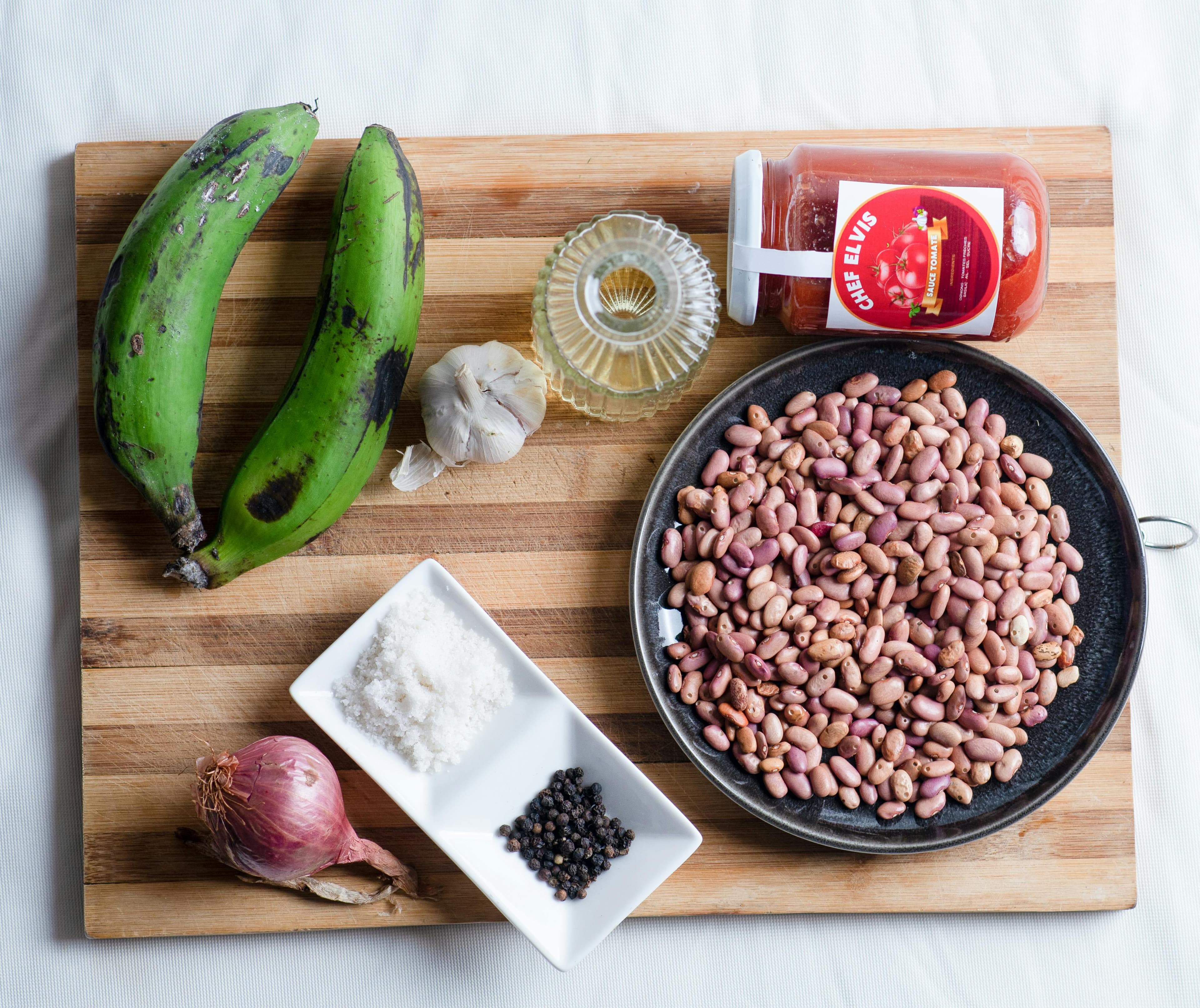
Unripe (green) plantain contains resistant starch — a type of carbohydrate that is not fully digested in the small intestine. This means:
- It raises blood sugar more slowly
- It feeds beneficial gut bacteria
- It creates more stable energy levels
- It promotes a feeling of fullness
As plantain ripens, resistant starch converts to simple sugars, which raise blood glucose more quickly.
The Cooking Method Matters
How you prepare plantain also affects its impact on blood sugar:
- Boiled/steamed: Lowest glycemic impact
- Roasted/baked: Moderate impact
- Fried (dodo): Higher impact — the oil slows glucose absorption but adds unhealthy fat when fried in large amounts
Portion Guidance
For someone managing diabetes:
- Unripe boiled plantain: 1 medium piece as part of a balanced meal is reasonable
- Ripe fried plantain (dodo): 2–3 pieces as a side, not the main dish
- Always pair with protein, vegetables, and healthy fats to slow blood sugar response
Practical Tips
- Keep a mix of green and yellow plantains — use green for everyday meals, ripe for occasional enjoyment
- Boil or roast instead of frying when possible
- Pair plantain with beans, eggs, fish, or chicken
- Add a large side of sautéed greens
- Monitor your blood sugar 1–2 hours after eating to learn your personal response
The Bottom Line
Plantain does not need to be eliminated from a diabetes-friendly diet. The combination of type (unripe vs. ripe), cooking method, portion size, and food pairing determines how much it affects your blood sugar.
At Vieve Health & Wellness, we believe you deserve practical guidance — not a list of foods to be afraid of.
Want personalized guidance on building a culturally relevant meal plan? Book a session with Dr. Genevieve.