Can People with Diabetes Eat Garri?
Garri is one of the most beloved foods across West Africa — from Nigeria to Ghana, Sierra Leone to the diaspora. It's affordable, filling, and deeply connected to our culture and memories. But if you or someone you love has been diagnosed with diabetes, you may have been told to "avoid garri." Let's look at what the evidence actually says.
What Is Garri?
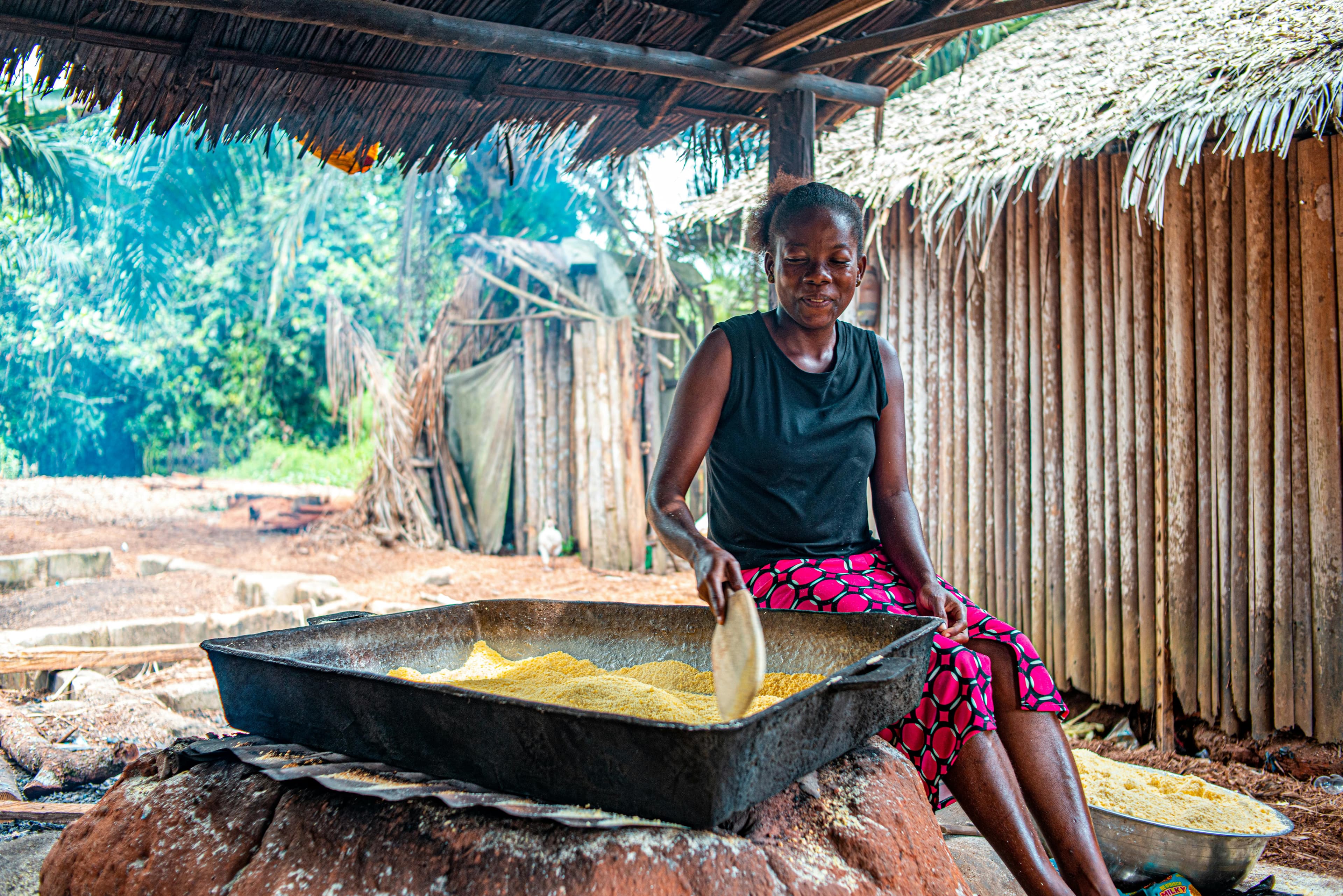
Garri is made from fermented, dried, and roasted cassava. It's high in carbohydrates, which means it can raise blood sugar levels. However, the full picture is more nuanced than simply saying "avoid it."
The Glycemic Index of Garri
Garri has a moderate-to-high glycemic index (GI), meaning it can raise blood glucose relatively quickly when eaten in large quantities. However, several factors affect how garri impacts your blood sugar:
- Preparation method: Garri soaked in cold water with groundnuts raises blood sugar more slowly than eba (hot garri).
- What you eat it with: Pairing garri with high-fiber soups (like egusi with lots of vegetables, or ogbono) slows glucose absorption significantly.
- Portion size: A small portion of eba with a protein-rich, vegetable-heavy soup is very different from a large mound eaten alone.
- Fermentation: The fermentation process in garri production may slightly lower its glycemic impact compared to plain cassava.
Practical Tips for Eating Garri with Diabetes
- Reduce your portion size. Think of eba as a side — not the main event. A tennis-ball-sized portion is a good starting point.
- Pair it with fiber-rich soups. Egusi, edikaikong, efo riro with plenty of vegetables, or oha soup all help slow blood sugar spikes.
- Add protein. Fish, chicken, or beans in your soup help balance the meal.
- Monitor your blood sugar. Check 1–2 hours after eating to learn how YOUR body responds.
- Choose cold garri occasionally. Garri soaked in cold water with groundnuts and a little coconut has a lower glycemic effect than hot eba.
The Bottom Line
You do not have to eliminate garri from your life. Diabetes management is about education, not deprivation. With the right portions, the right pairings, and regular monitoring, garri can still have a place at your table.
At Vieve Health & Wellness, we believe in empowering you with practical, culturally relevant education — not fear-based restrictions.
Have questions about how specific African foods affect your blood sugar? Book a session with Dr. Genevieve for personalized education.