Common Diabetes Myths in African Communities
Misinformation about diabetes is everywhere — but in African and diaspora communities specifically, certain cultural beliefs and misconceptions can significantly delay diagnosis, prevent proper management, and cause real harm. Let's address the most common myths directly.
Myth 1: "Diabetes is a White People Disease"
The Truth: Diabetes disproportionately affects people of African descent. Black and African adults have significantly higher rates of type 2 diabetes than their white counterparts, and they are more likely to develop complications including kidney disease, blindness, and limb amputation. This is not a "white disease" — it is deeply relevant to our communities and families.
Myth 2: "If I Feel Fine, My Blood Sugar Must Be Fine"
The Truth: Type 2 diabetes and prediabetes are often called "silent diseases" because they can progress for years with no noticeable symptoms. By the time symptoms appear (excessive thirst, frequent urination, blurred vision, slow-healing wounds), the disease may already be causing organ damage. Regular blood sugar checks are essential — even when you feel well.
Myth 3: "Diabetes Means I Can Never Eat Our Foods Again"
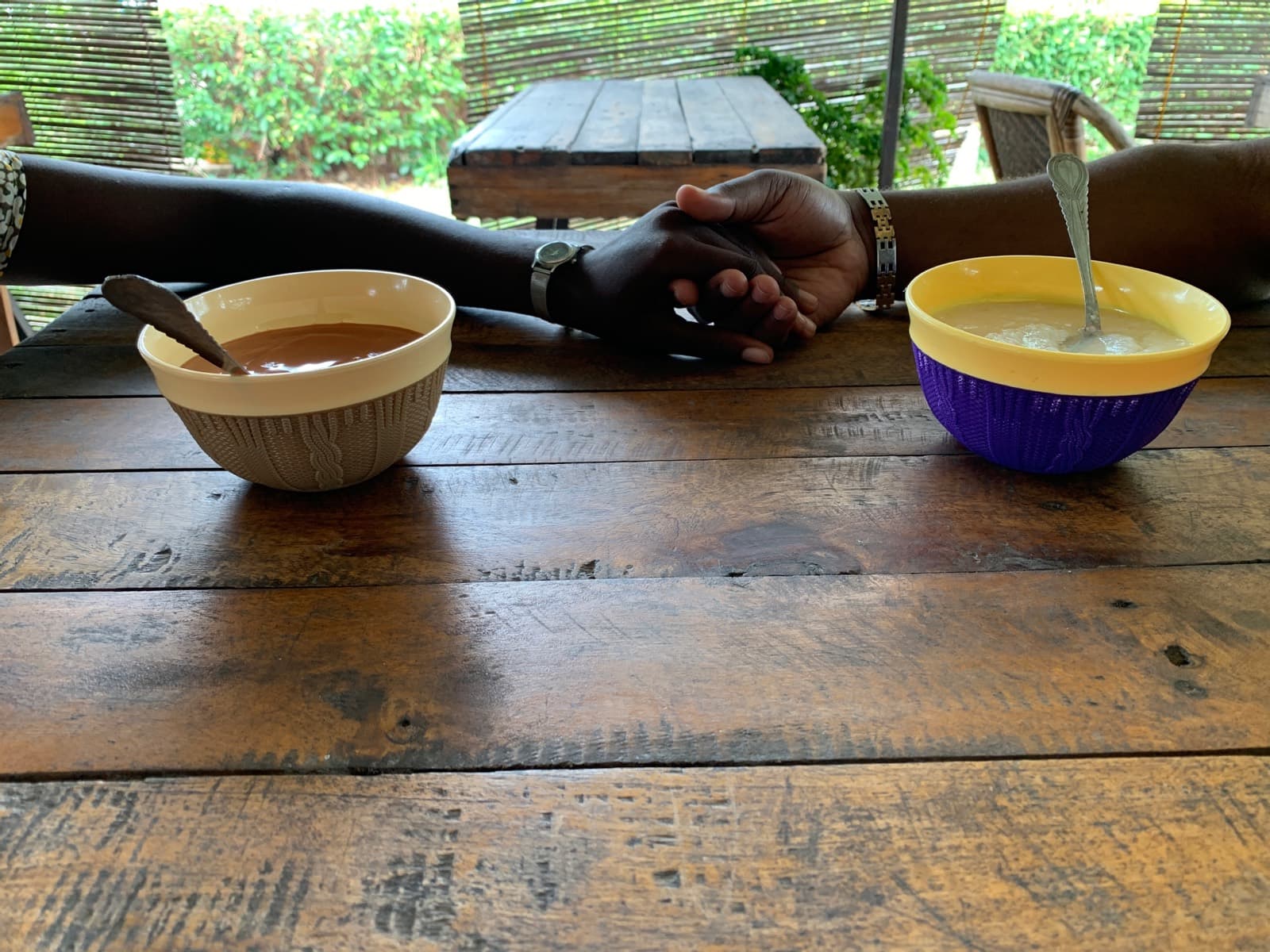
The Truth: A diabetes diagnosis does not mean giving up African food. It means learning how to eat those foods in ways that support your health — the right portions, the right pairings, the right preparation methods. Garri, plantain, fufu, rice — all can still be part of your life with proper education and guidance.
Myth 4: "Only Overweight People Get Diabetes"
The Truth: While excess weight is a significant risk factor for type 2 diabetes, lean and normal-weight individuals can and do develop it. In fact, "normal weight diabetes" (also called thin-fat or TOFI — Thin Outside, Fat Inside) is particularly common in people of African and Asian descent, where fat stored around internal organs creates insulin resistance even without visible obesity.
Myth 5: "Diabetes Can Be Cured With Herbs and Natural Remedies"
The Truth: While some herbs and foods have been shown to have mild blood-sugar-lowering effects (bitter leaf, moringa, cinnamon), none of these cure diabetes or replace medical treatment. Stopping prescribed medications to take only herbs can be extremely dangerous. Natural foods can support diabetes management as part of a comprehensive plan — they cannot replace it.
Myth 6: "Insulin Means You Have Failed"
The Truth: The need for insulin does not mean failure — it means your pancreas needs support. Type 2 diabetes is progressive, and many people will eventually need insulin to maintain healthy blood sugar levels. Starting insulin when needed, paired with lifestyle changes, prevents serious complications. There is no shame in accepting the treatment your body needs.
Myth 7: "My Parents Had Diabetes and They Ate What They Wanted"
The Truth: Previous generations often didn't have the same level of medical knowledge, monitoring tools, or education that we do today. Many quietly suffered complications that shortened their lives or reduced their quality of life. We can honor our culture and our ancestors' recipes while also making choices that help us live longer, healthier lives.
Myth 8: "Diabetes Only Affects Old People"
The Truth: While type 2 diabetes is more common with age, it is increasingly being diagnosed in younger adults, teenagers, and even children — particularly in communities with high rates of obesity and sedentary lifestyles. Prediabetes education and lifestyle changes are most effective when started early.
Moving From Myths to Empowerment
Knowledge is the most powerful tool in diabetes management. At Vieve Health & Wellness, our entire mission is to replace fear and misinformation with practical, culturally relevant education that empowers you to take control of your health.
Share this article with someone in your community who needs it. And if you're ready to learn more, book a Consultation with Dr. Genevieve.