5 African Foods That Affect Blood Sugar
Understanding how our traditional foods interact with blood sugar is one of the most empowering things a person with diabetes — or at risk of diabetes — can learn. Here are five common African foods, their impact on glucose, and practical strategies to enjoy them wisely.
1. White Rice (Jollof, Fried Rice, Plain Rice)
Rice is a staple across West Africa and the diaspora. White rice has a high glycemic index and can cause significant blood sugar spikes when eaten in large portions.
Smarter Strategy:
- Reduce portion size — aim for ½ to ¾ cup cooked
- Pair with a large serving of vegetables and protein (chicken, fish, beans)
- Try mixing in cauliflower rice to stretch the portion
- Brown rice is a better long-term swap — it has more fiber
2. Pounded Yam
Pounded yam is beloved at celebrations and family gatherings. It's made from boiled yam, which is a starchy tuber with a high glycemic index.
Smarter Strategy:
- Eat a smaller portion (think golf ball to tennis ball size)
- Pair with fiber-rich soups like egusi, efo riro, or okra with plenty of vegetables
- Consider mixing pounded yam with oat flour or plantain flour to lower the glycemic load
- Eat slowly and mindfully
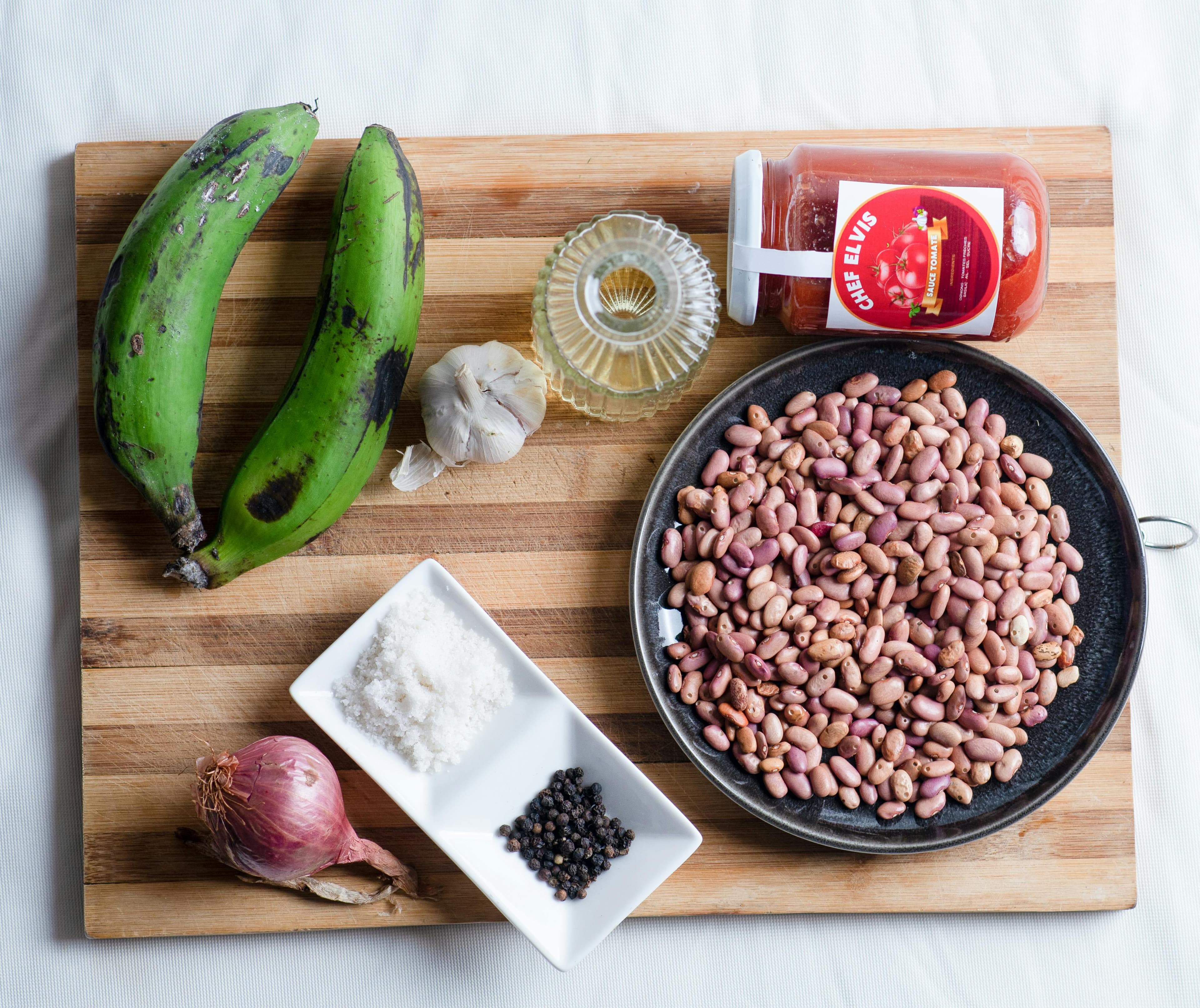
3. Plantain (Ripe vs. Unripe)
Plantain is eaten across African and Caribbean communities in many forms — fried, boiled, roasted. Ripe (yellow/black) plantain is higher in sugar than unripe (green) plantain.
Smarter Strategy:
- Choose boiled or roasted over fried
- Opt for unripe/green plantain more often — it has a lower glycemic index and more resistant starch
- Pair with protein and vegetables
- Limit portion to 1 medium plantain serving
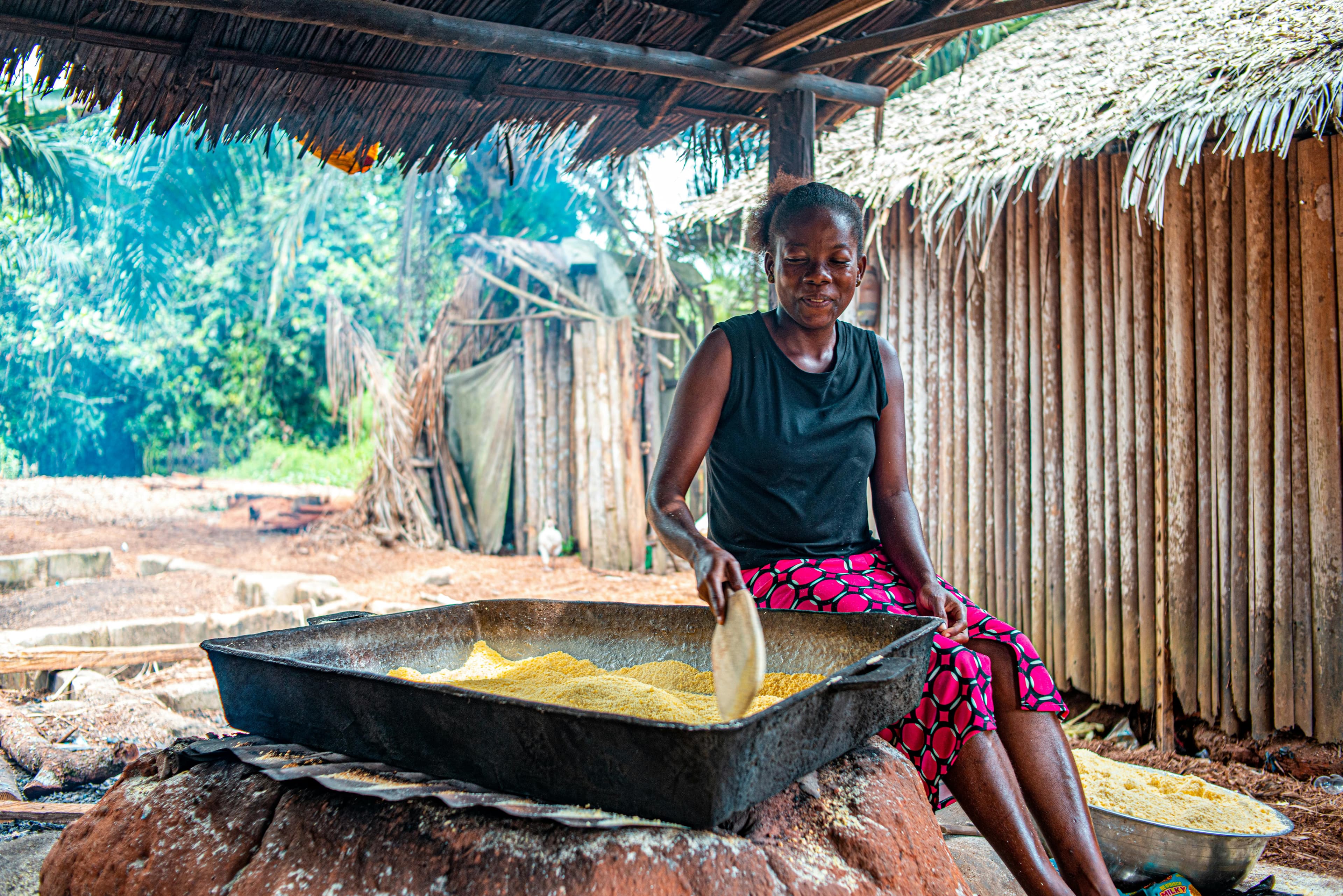
4. Fufu (Akpu, Cassava Fufu)
Fermented cassava fufu is a staple in many homes. Like other starchy swallows, it is high in carbohydrates and can raise blood sugar quickly.
Smarter Strategy:
- Smaller portions paired with vegetable-dense soups
- Choose soups loaded with leafy greens (ugu, spinach, bitter leaf)
- Add adequate protein to slow digestion
- Monitor blood sugar after eating to understand your personal response
5. Sweetened Drinks (Malt Drinks, Agege Bread, Sweet Tea)
While not a traditional "food," sweetened malt drinks, sweet condensed milk tea, and soft drinks are widely consumed in African households and cause rapid, significant blood sugar spikes.
Smarter Strategy:
- Replace malt drinks with water, unsweetened zobo (hibiscus tea), or cucumber-infused water
- Try oat milk or unsweetened plant milk in tea instead of condensed milk
- Limit sweet bread — choose high-fiber, lower-sugar bread options
The Bigger Picture
No single food causes diabetes, and no single food needs to be completely eliminated. The key is portion size, food pairing, and consistency. At Vieve Health & Wellness, we help you build a personalized, culturally relevant approach to managing your blood sugar — without removing everything you love from your table.
Ready to learn more? Book a Consultation for personalized education.